Note: This is a provisional (unofficial) English translation of the Japanese page published on our Japanese site (Japanese original). The Japanese original takes precedence. The translation may be revised without notice.
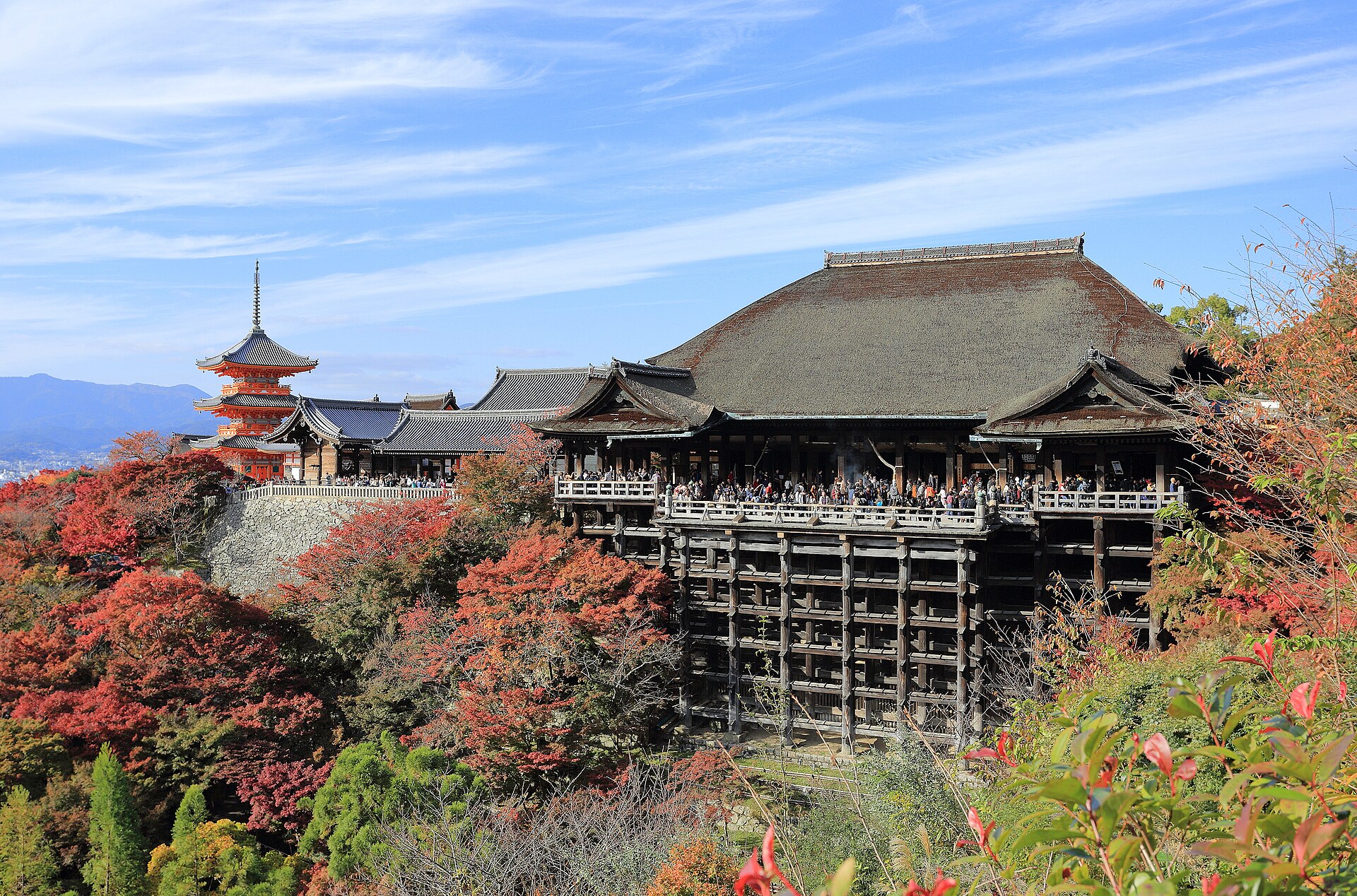
Otowa-san Kiyomizu-dera (音羽山 清水寺) is a temple in Higashiyama Ward, Kyoto City, Kyoto Prefecture. This article gives an overview of its sect, principal image, history, and access.
Basic information
| Temple name | Otowa-san Kiyomizu-dera (音羽山 清水寺) |
|---|---|
| Mountain name (sangō) | Otowa-san |
| Sect | Hokuhosso |
| Principal image (honzon) | Juichimen Senju Kannon Bodhisattva (eleven-faced, thousand-armed Kannon; secret image) |
| Address | 1-chome 294 Kiyomizu, Higashiyama Ward, Kyoto City, Kyoto Prefecture |
Benefits and faith
The Otowa Waterfall (音羽の滝) is a sacred spring said to be the origin of the temple’s name. Three streams fall from the waterfall. From the left, they are said to bring blessings for health, love, and academic success, and the spot has become a popular power spot.
History
- 778 (Hōki 9): The temple is traditionally said to have been founded. Enchin (延鎮) is named as its founding abbot.
- 780 (Hōki 11): Sakanoue no Tamuramaro (坂上田村麻呂) made a donation to the temple.
- 810 (Kōnin 1): The temple became an officially recognized temple by imperial permission of Emperor Saga (嵯峨天皇).
- The temple was burned in the Ōnin War and rebuilt by Gan’ami (願阿弥).
- 1629 (Kan’ei 6): The temple was destroyed by a major fire.
- 1633 (Kan’ei 10): The main hall was rebuilt with a donation from Tokugawa Iemitsu (徳川家光).
- 1965 (Shōwa 40): The temple became independent from the Hossō sect and became the Hokuhosso sect.
- 1994 (Heisei 6): Registered as a World Heritage Site under the name “Historic Monuments of Ancient Kyoto.”
The main hall is a National Treasure. The Niō Gate (仁王門), the three-story pagoda (三重塔), and the bell tower (鐘楼) are Important Cultural Properties. The Moon Garden (月の庭) of the head temple and Jojuin subtemple is a National Place of Scenic Beauty.
Visitor tips
The Kiyomizu Stage (清水の舞台) in front of the main hall is the source of the Japanese idiom “to jump off the Kiyomizu stage,” which means to make a bold decision.
Visiting guide (fees, hours, parking, etc.)
| Visiting hours | 6:00–18:00 (closes at 18:30 in July and August). The amulet counter and the sutra office (for goshuin) are said to open from around 8:00. |
|---|---|
| Admission fee | 400 yen |
| Goshuin | Issued at the sutra office behind the main hall. Goshuin for the Otowa Waterfall are said to be issued at the spot opposite the waterfall. |
| Parking | There is no parking inside the grounds. There are municipal and other parking lots nearby. |
This guide is based on the information in each source as checked on September 19, 2026. Fees, hours, and events may change. Please check the latest information with the temple or local tourism association before your visit.
Access and map
About 10 minutes on foot from the Kyoto City Bus stops “Gojozaka” or “Kiyomizumichi.” About 22 minutes on foot from Keihan Main Line Kiyomizu-Gojo Station (per Wikipedia).
Other temples in Kyoto Prefecture
- Kinkaku-ji (金閣寺, Rokuon-ji)
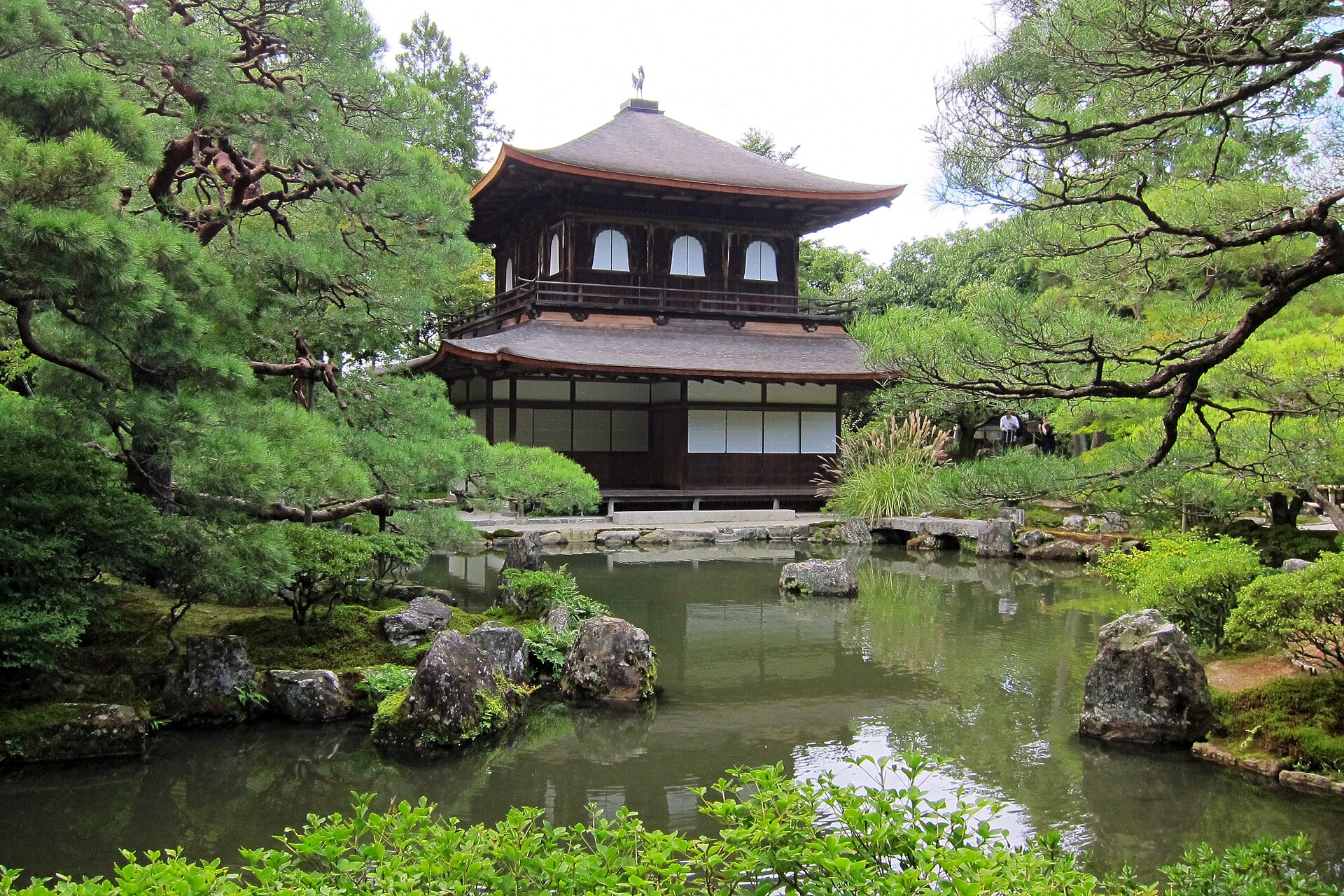
- Ginkaku-ji (銀閣寺, Jishō-ji)
- Tō-ji (東寺, Kyōō-gokoku-ji)
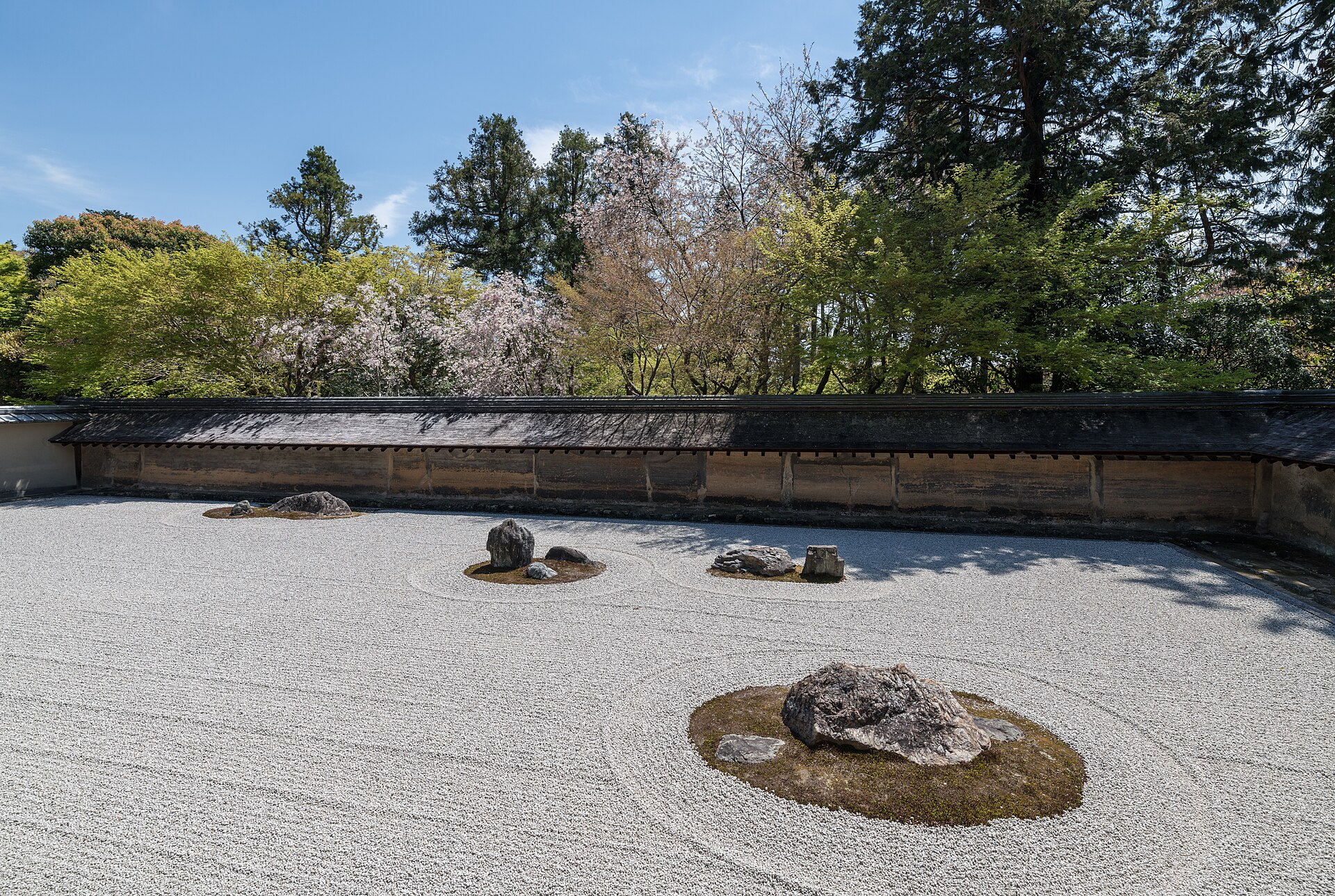
- Ryoanji (龍安寺)
- Sanjusangendo (三十三間堂, Rengeō-in)
- Daigo-ji (醍醐寺)
For ancestor researchers
If you are looking for a family temple (bodaiji, 菩提寺) or the location of a necrology register (kakochō, 過去帳), you may also wish to see the list of temples in Kyoto Prefecture by municipality.