Note: This is a provisional (unofficial) English translation of the Japanese page published on our Japanese site (Japanese original). The Japanese original takes precedence. The translation may be revised without notice.
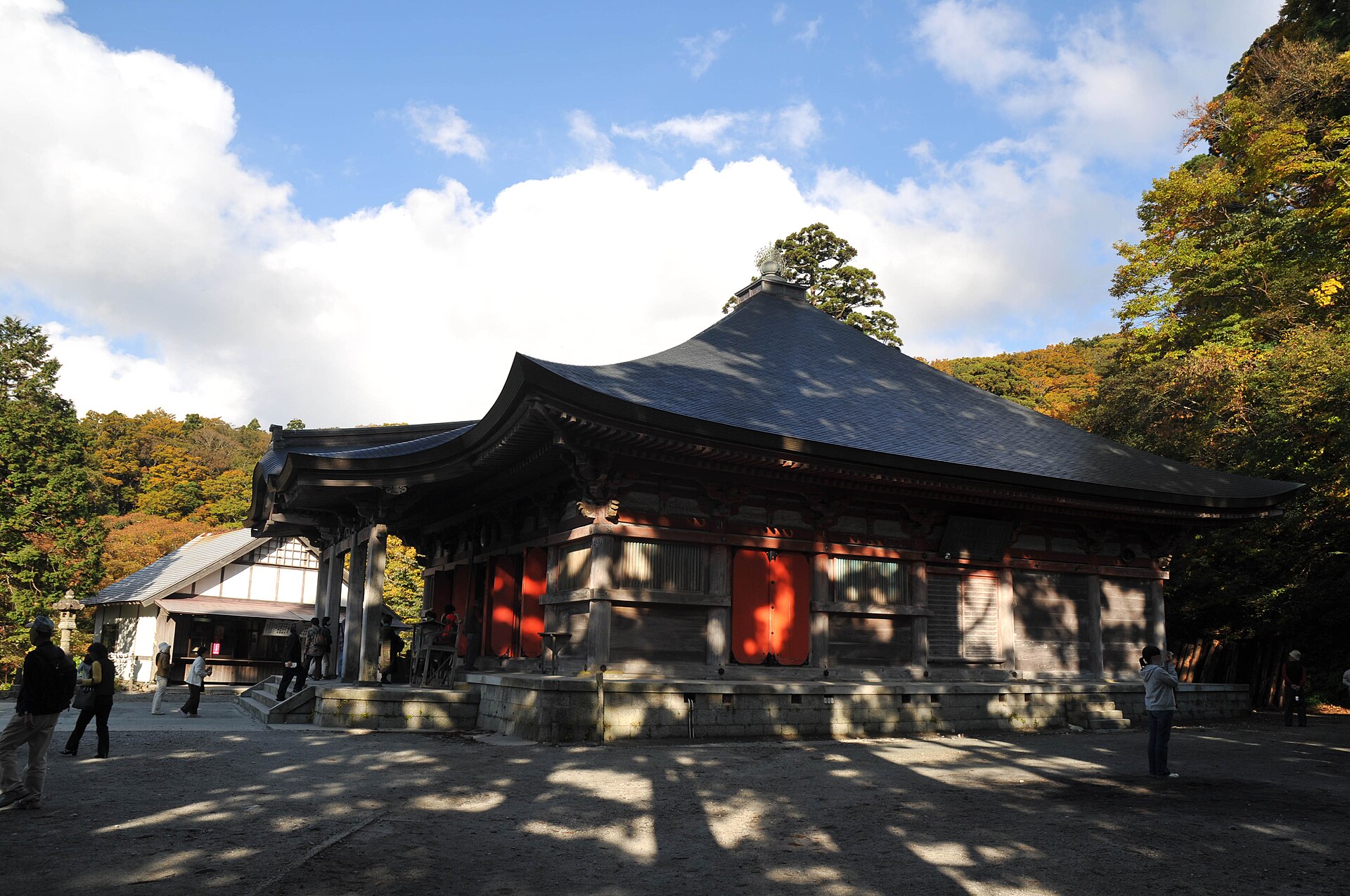
Daisen-ji (大山寺) is a temple in Daisen Town, Tottori Prefecture. This article covers its sect, principal image, benefits, history and access.
Basic information
| Temple name | Daisen-ji |
|---|---|
| Mountain name (sango) | Kakuiwa-san |
| Sect | Tendai sect |
| Principal image (honzon) | Jizo Bosatsu |
| Address | Daisen 9, Daisen Town, Nishihaku District, Tottori Prefecture |
Faith and benefits
Daisen-ji has long been a center of faith in Daichimyo Gongen, which is regarded as a manifestation of Jizo Bosatsu. According to Japan Heritage materials, talismans for the safety of cattle and horses have been distributed since the Heian period. People gave cattle and horses water from the sacred spring Riseisui (利生水) to pray for their long life. This faith is known for prayers for the protection of cattle and horses, longevity and a bountiful harvest.
History
- 718 (Yoro 2): The temple is traditionally said to have been founded by Kinren Shonin (金連上人, Toshikata). It is said to have originally been a Shingon temple.
- 865: The temple changed to the Tendai sect and was designated a special head temple (bekkaku honzan).
- 1552: The Amida Hall was built.
- Edo period: Temple lands of 3,000 koku were confirmed.
- 1875: The temple name was abolished during the Meiji-era suppression of Buddhism (haibutsu kishaku).
- 1903: The temple name was restored.
The Amida Hall and the wooden Amida Nyorai with its two attendant figures are Important Cultural Properties. The former precincts of Daisen-ji are a National Historic Site.
Visitor tips
A stone-paved approach continues past the old temple-town streets, and the setting blends with the natural scenery of Daisen. The history of its faith is presented as part of the Japan Heritage story “Japan’s Largest Cattle and Horse Market Nurtured by Jizo Faith.”
Visiting guide (fees, hours, parking, etc.)
| Admission fee | According to a travel information site, a voluntary offering of 300 yen is requested (includes the Treasure House and Reizo-kaku hall). |
|---|---|
| Visiting hours | According to a travel information site, 9:00–16:00 (varies by season). |
| Goshuin (temple seal) | According to a travel information site, goshuin are issued at the office on the left after climbing the stairs of the approach. |
| Parking | According to the source, there is a parking lot for visitors only along the approach, with room for a little over 10 cars. |
This guide is based on information from each source as of September 19, 2026. Items without a listed value are not shown. Fees, hours and events may change. Please check the latest information with the temple or tourism association before visiting.
Access and map
About 54 minutes by bus from Yonago Station on the JR San-in Main Line, or about 30 minutes by bus from Daisenguchi Station (both per Wikipedia).
Other temples in Tottori Prefecture
- Mitokusan Sanbutsu-ji (三徳山三佛寺)
- Maniji (摩尼寺)
- Kannon-in (観音院)
- Fudo-in Iwaya-do (不動院岩屋堂)
For ancestor researchers
If you are looking for a family temple (bodai-ji) or a necrology register (kakocho), see also the list of temples in Tottori Prefecture (by municipality).
References
- Daisen-ji (Daisen Town, Tottori) – Wikipedia (in Japanese)
- Japan’s Largest Cattle and Horse Market Nurtured by Jizo Faith | Japan Heritage Portal (in Japanese)
- Daisen-ji Main Hall | Rurubu & more. (in Japanese)
- Daisen-ji | Jalan (in Japanese)
- Daisen-ji walking map and winter parking fees | Tottori Daisen Tourism Guide (in Japanese)
※ Hours, fees and event dates may change. Please check the latest information with the temple or tourism association before visiting.